


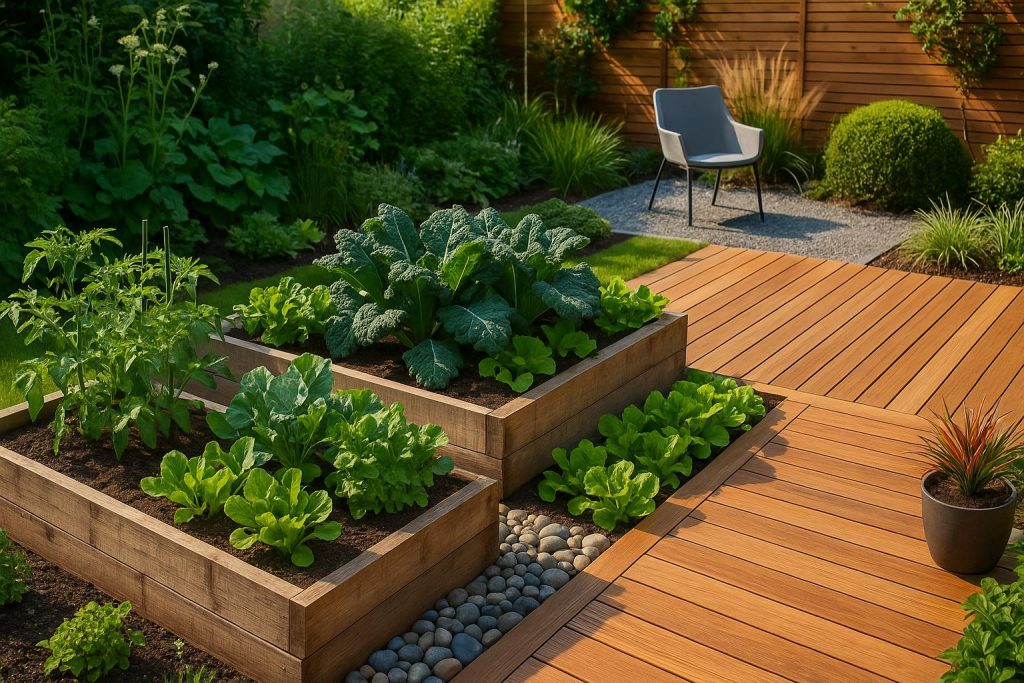
Gardening is experiencing a renaissance. In recent years, we’ve seen an increasing interest in sustainable, functional, and aesthetically pleasing garden designs. Whether you have a sprawling estate or a small urban balcony, the possibilities for creating your dream outdoor space are endless. In this post, we will explore ten of the most popular garden trends for 2025, blending innovative ideas with eco-friendly principles to help you transform your garden into a beautiful and functional haven.
Even small garden improvements can have a noticeable impact when they are planned carefully. The best updates combine attractive design with practical benefits, helping the space feel more private, easier to maintain and more enjoyable for everyday use.
1. Sustainable Gardening Practices
Sustainability is at the forefront of gardening trends in 2025. As climate change becomes an ever-pressing issue, gardeners are opting for practices that reduce their environmental impact. This includes:
Rainwater Harvesting: Collecting rainwater for irrigation not only conserves water but also reduces your reliance on the municipal water supply.
Native Planting: By planting species native to your area, you support local ecosystems, conserve water, and reduce the need for fertilisers and pesticides.
Composting: Composting organic waste reduces landfill contributions and creates nutrient-rich soil for your garden, improving plant health and growth.
Sustainable gardening isn’t just about saving the environment; it is also about creating a healthier and more resilient garden that can thrive naturally, even in the face of changing weather conditions.
2. Vertical Gardens
With limited space – a common problem in modern homes – vertical gardens are a brilliant way to maximise your garden’s potential. These gardens take advantage of vertical surfaces like walls, fences, and trellises to grow plants upwards rather than outwards. This trend is particularly popular in urban areas where space is minimal.
Vertical gardens are perfect for growing climbing plants such as ivy, beans, or cucumbers. For a modern twist, you can create green walls using modular panels that house plants and herbs. This trend not only makes the most of small spaces but also adds a beautiful, natural texture to your outdoor space.
3. Wildlife-Friendly Gardens
Incorporating wildlife-friendly elements into your garden is more than just a trend; it is a movement aimed at restoring biodiversity. Gardeners are increasingly creating habitats that support pollinators like bees, butterflies, and birds.
Popular features include:
Bee Hotels: These small, wooden structures provide a safe haven for solitary bees to nest in, encouraging pollination in your garden.
Wildflower Meadows: Rather than the traditional lawn, consider planting a wildflower meadow that attracts pollinators and provides a rich source of nectar.
Bird Feeders and Nesting Boxes: These features help support local bird populations and can be a wonderful addition to your garden.
Creating a wildlife-friendly garden not only supports nature but also offers endless enjoyment as you watch local creatures interact with your space.
4. Low-Maintenance Gardens
With increasingly busy lifestyles, many gardeners are opting for low-maintenance gardens that still provide beauty and functionality. Low-maintenance gardens typically feature plants that require minimal care and irrigation, such as succulents, ornamental grasses, and hardy perennials.
Other popular elements include:
Artificial Grass: Ideal for low-maintenance lawns, artificial grass looks realistic without the need for mowing, watering, or fertilising.
Drought-Tolerant Plants: Mediterranean plants like lavender, rosemary, and succulents thrive in hot, dry conditions, making them perfect for a low-maintenance garden.
Mulching: Applying a layer of mulch helps retain moisture, suppress weeds, and improve soil health, reducing the time spent maintaining your garden.
With these elements, you can create a garden that is both beautiful and easy to care for.
5. Composite Decking and Fencing
As homeowners look for ways to enhance their outdoor living spaces, composite decking and fencing are becoming increasingly popular. Composite materials are made from a blend of wood fibres and recycled plastics, offering the aesthetic appeal of wood with the durability and low maintenance of plastic.
Benefits of Composite Decking and Fencing:
Durability: Unlike traditional wood, composite materials are resistant to rot, splinters, and weathering, making them ideal for the outdoors.
Low Maintenance: Composite decks and fences do not need to be stained or sealed annually, saving time and money.
Sustainability: Many composite products are made from recycled materials, making them an eco-friendly choice.
Aesthetic Variety: Composite decking comes in various colours and textures, so it is easy to match the style of your home and garden.
Whether you are creating an outdoor living area with composite decking or installing a durable, stylish fence, this trend is perfect for those looking for an attractive, long-lasting solution with minimal upkeep.
6. Outdoor Kitchens
Outdoor kitchens are no longer just a luxury; they are a must-have for many homeowners. In 2025, gardens are increasingly becoming extensions of the home, with kitchens integrated into the outdoor space for year round entertaining.
Features of outdoor kitchens include:
Built-in Grills: Whether gas, charcoal, or wood-fired, a built-in grill is essential for outdoor cooking.
Refrigerators and Ice Makers: Keeping your drinks cool and food fresh is easy with outdoor refrigeration.
Bar Seating: For socialising and dining al fresco, bar seating or an outdoor island can make the space functional and stylish.
Outdoor kitchens add both value and convenience, allowing you to entertain guests while enjoying the beauty of your garden.
7. Smart Garden Technology
The future of gardening is digital. With the rise of smart home technology, gardeners are embracing tools that automate and optimise garden care. Smart irrigation systems, for example, adjust watering schedules based on weather forecasts, ensuring plants get the right amount of water without waste.
Other examples include:
Soil Sensors: These devices monitor the moisture and nutrient levels in your soil, helping you make informed decisions about when to water and fertilise.
Garden Lighting: Smart lights can be controlled from your phone or smart assistant, allowing you to set the perfect ambiance for evening gatherings.
Robotic Lawn Mowers: These devices cut your grass while you relax, making lawn care easier than ever.
Smart garden technology enhances convenience, allowing you to focus on enjoying your garden rather than maintaining it.
8. Edible Gardens
Growing your own food is not just a trend; it is a way to take control of your health and sustainability. Edible gardens are on the rise, with more people turning to their outdoor spaces to grow fruits, vegetables, and herbs.
Popular edible plants include:
Tomatoes and Peppers: These easy-to-grow crops thrive in containers or raised beds.
Herbs: Fresh herbs like basil, mint, and thyme are perfect for small gardens or balcony spaces.
Fruit Trees: Apple, pear, and citrus trees are becoming popular choices for gardens large and small.
Growing your own food not only provides fresh ingredients but also connects you with the process of food production and the joys of homegrown produce.
9. Outdoor Firepits and Heating
As the demand for year round outdoor living grows, so does the popularity of outdoor firepits and heating elements. Firepits provide a cosy focal point for your garden and are perfect for chilly evenings.
Options include:
Wood-Burning Firepits: Traditional and atmospheric, these firepits add warmth and charm to any garden.
Gas Firepits: For a more modern and convenient option, gas firepits provide instant warmth with no mess.
Outdoor Heaters: These are perfect for extending the use of your garden throughout the colder months, ensuring you can entertain or relax outdoors no matter the season.
With the right firepit or heater, your garden can be a cosy retreat all year long.
10. Outdoor Art and Sculptures
Adding artistic elements to your garden is a growing trend, as homeowners seek to personalise their spaces and create a unique atmosphere. Sculptures, murals, and artistic features like water fountains and wind chimes can make a garden feel like a living artwork.
Popular options include:
Metal Sculptures: Weather-resistant and durable, metal sculptures can add a modern touch to your garden.
Ceramic Planters: Handcrafted planters can serve as both functional and decorative elements, showcasing your plants in style.
Outdoor Mosaics: Colourful and intricate mosaics can transform walls, paths, and even water features into stunning visual statements.
Outdoor art can create a truly personal touch in your garden, reflecting your tastes and creating a peaceful ambiance.
Conclusion
The garden trends for 2025 offer something for everyone, from sustainable practices and wildlife-friendly spaces to cutting-edge technology and stylish outdoor living areas. Whether you are looking to redesign your entire garden or simply add a few new features, these trends provide the inspiration you need to create a space that’s not only beautiful but also functional and eco-friendly. Embrace these trends, and let your garden become a reflection of your lifestyle, values, and creativity.
For commercial gardens, hospitality venues and larger outdoor projects, the finishing details can be just as important as the main structure. Traditional signage can add character to entrances, garden rooms or hospitality spaces; while digital signage can help commercial venues share opening times, menus, promotions or visitor information clearly; while efficient hand dryers can support cleaner, lower-maintenance washroom facilities in public-facing outdoor settings.

